Every father leaves a legacy. The question is—what kind?
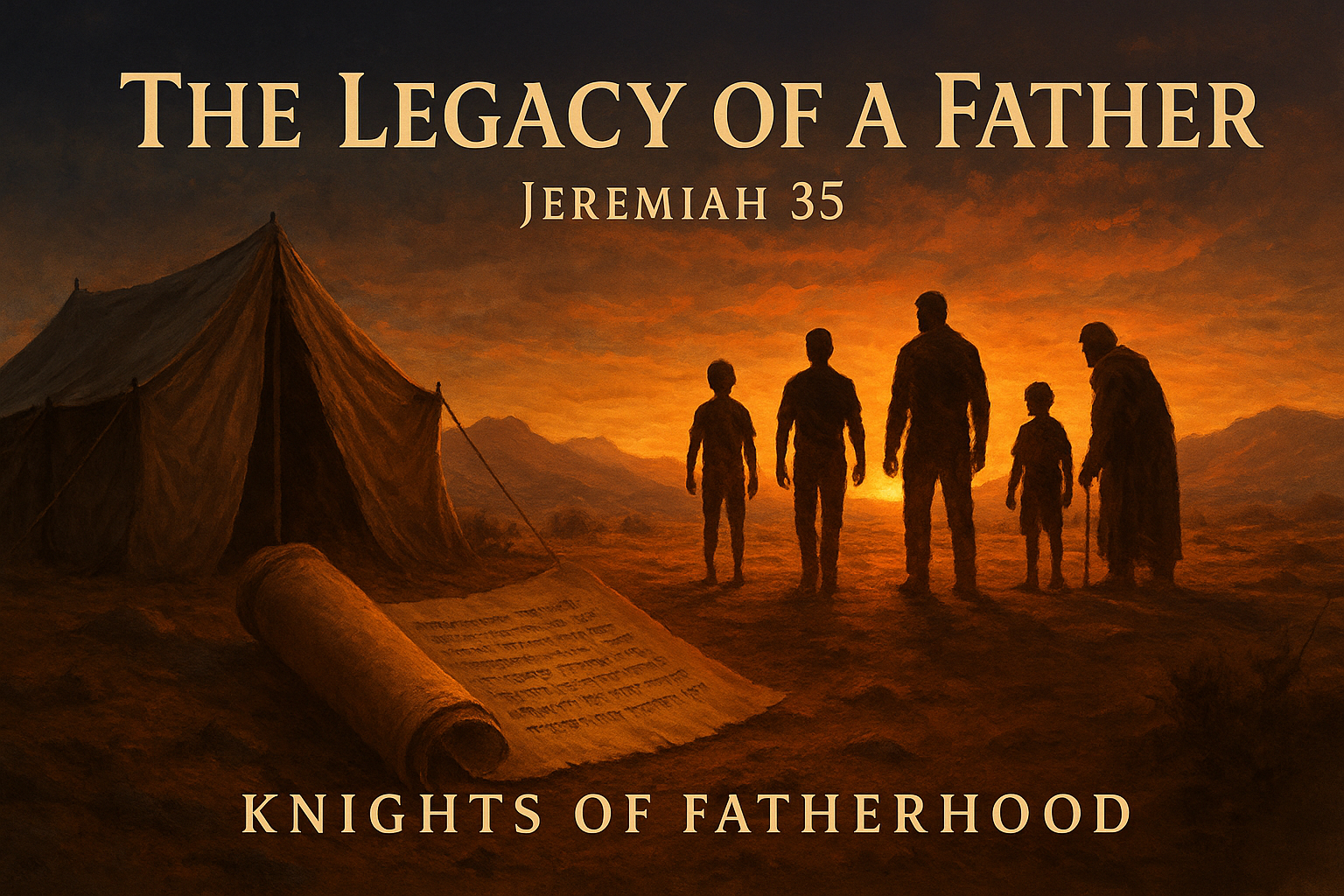
In Jeremiah 35, we meet a family of faithful men—the Rechabites—who pass a simple but powerful test. God sets them in front of the prophet Jeremiah and offers them wine. It may seem like a small thing, but their response echoes through history:
“We will drink no wine, for Jonadab the son of Rechab, our father, commanded us…” (Jeremiah 35:6)
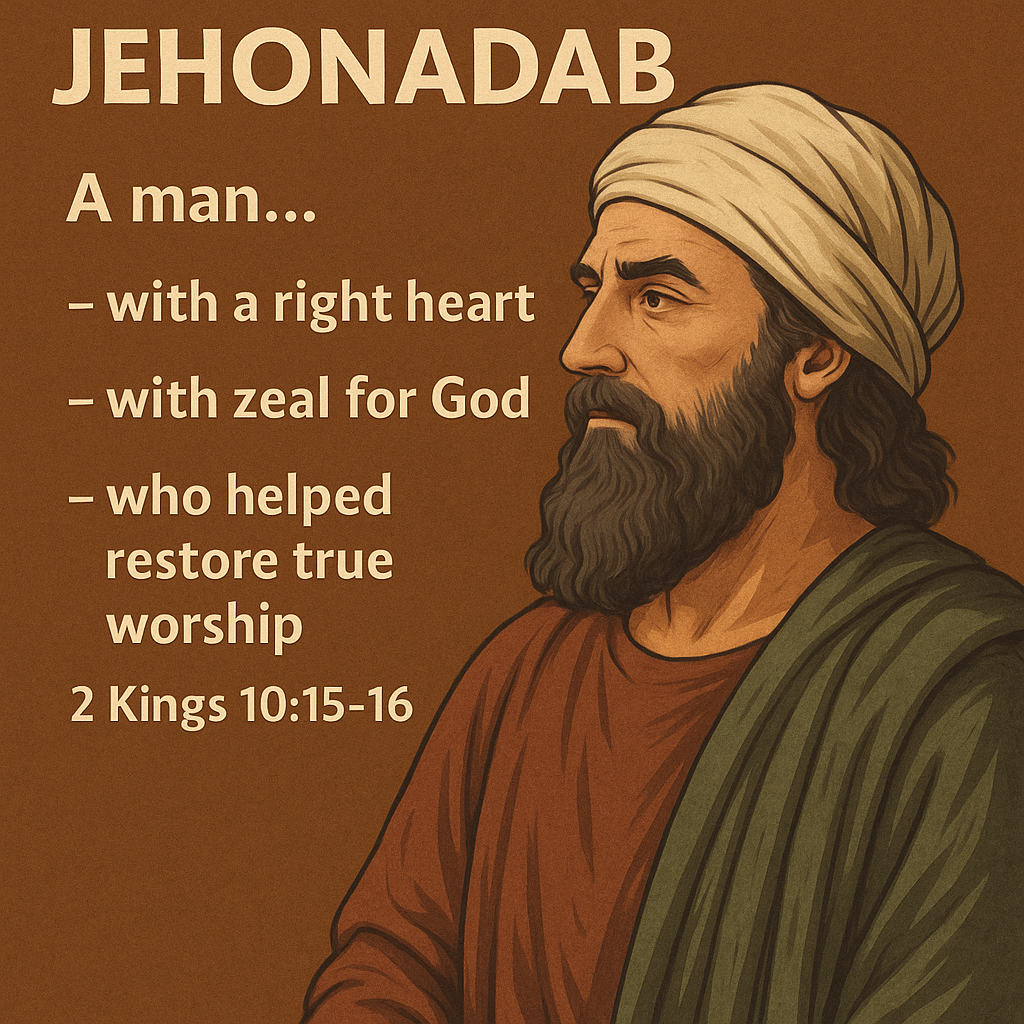
Their decision wasn’t made in the moment. It was the result of a father’s leadership—Jehonadab, also called Jonadab—who had instilled in his children a set of principles so deeply rooted that they stood firm generations later.
Let’s break down what this chapter says to fathers today.
1. A Father’s Words Can Shape Generations (vv. 1–11)
Jehonadab had given his family a code to live by:
- Don’t drink wine
- Don’t build permanent houses
- Don’t farm
- Live in tents
Why? These practices kept his descendants separate from the culture around them. They were symbolic of discipline, simplicity, and obedience.
240 years later, his children were still obeying him.
That’s six generations of sons and grandsons who honored a father’s convictions.
Fatherhood takeaway:
Our words matter—but only when backed by consistent living. Jehonadab’s voice lived on, not because he shouted the loudest, but because he led with integrity. His convictions were not convenience-based; they were core to his family’s identity.
What convictions are you passing down to your children?
Will they still matter six generations from now?
2. A Father’s Faithfulness Becomes a Standard (vv. 12–17)
God uses the Rechabites to deliver a rebuke to His people. He essentially says:
“Look at them. They obey a human father. But you won’t obey Me?”
The Rechabites didn’t have prophets or plagues. Just the legacy of one father. But Israel, with all her prophets and warnings, still turned away.
This moment teaches us something critical: our obedience as fathers sets a standard, not just for our household, but as a testimony to the world.
Fatherhood takeaway:
We don’t need to be famous. We need to be faithful. A family that honors God quietly may speak louder than an entire generation of noise.
If someone looked at your family—at your children—would they be able to say, “He was a man who walked with God”?
3. A Father’s Legacy is Rewarded by God (vv. 18–19)
God honors Jehonadab’s descendants:
“Jonadab son of Rechab will never fail to have a man stand before Me forever.” (Jeremiah 35:19)
The kings of Judah were about to fall. The temple would be destroyed. But the sons of Jehonadab would endure.
Why?
Because of obedience.
Not because they conquered armies. Not because they built kingdoms. But because they honored their father’s spiritual legacy—and in doing so, honored God.
Fatherhood takeaway:
You may not see the fruit of your fatherhood today. But God sees. God remembers. And God blesses.
The reward of fatherhood is not measured in the applause of men but in the faithfulness of generations.
Building Your Legacy
Jeremiah 35 challenges every father to ask:
- What values are you instilling in your children?
- What spiritual habits are you modeling?
- What kind of man will your great-grandson become because of you?
Jehonadab didn’t lead armies or write psalms.
He just led his family well.
And God honored it for centuries.
This week, write down three convictions you want your children to carry into adulthood. Talk about one of them with your family during a meal or devotion. Start a conversation—not a lecture.
You don’t have to be perfect. But you do need to be present, consistent, and faithful.
By Jeremy Sprouse
Jeremy has been married to Erynn since August 1999. They are blessed with six children: Jaden, Isaiah, Isaac, Ean, Joseph, and Evelyn. Jeremy preaches for the Patrick St. church of Christ in Dublin, TX and is the author of To Train Up a Knight.

 Knights of The Father