
(Note: This is a lesson I first gave to my son Jaden on his 17th birthday and I am about to give to my twins on their 17th birthday. It has been slightly altered for this blog. )
Luxury and excellence are often associated with things like a Rolls-Royce Phantom Sedan—a car sold for over $545,000 in 2022. But behind that prestigious name is a story of humble beginnings and hard work. The Rolls-Royce legacy started with a young man named Henry Royce, a man who knew the value of diligence, no matter the task.
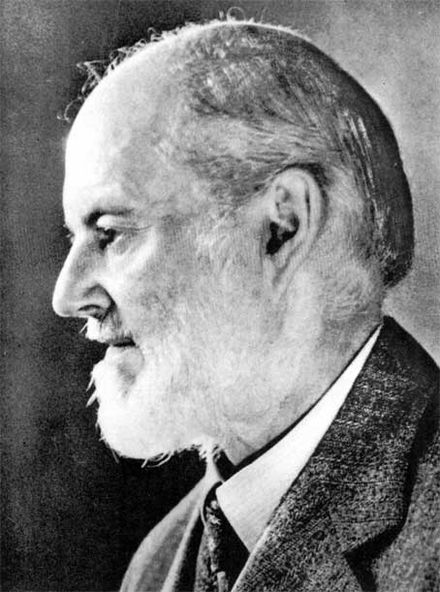
Royce, the youngest of five children, lost his father at the age of nine. Without a formal education, he worked a variety of jobs—selling newspapers, delivering telegrams, fixing street lights, and working on railroads. It wasn’t glamorous, but it shaped his understanding of excellence. His hard work paid off when, at the age of 26, he shifted his focus to the automobile industry, leading to the creation of Rolls-Royce Motor Cars.
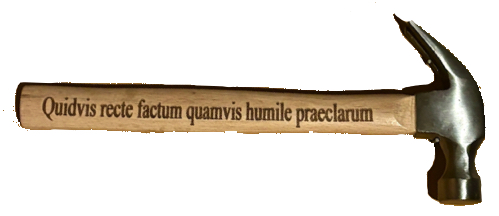
This principle of diligence in all things became a cornerstone of his life. Eric Gill, a sculptor and friend of Royce, was so inspired by his philosophy that he carved the phrase Quidvis recte factum quamvis humile praeclarum—“Whatever is rightly done, however humble, is noble”—above the fireplace in Royce’s home.
Knights of the Rubber
Royce’s commitment to excellence was evident in the way he worked with his team. He referred to his workers as “Knights of the Rubber,” and he demanded attention to detail and patience that far exceeded industry standards. He believed that problems should be solved during the design phase so that testing simply confirmed success. The smallest task, when done with care, was a reflection of one’s nobility and worth.
As Royce’s success shows, there’s great wisdom in doing even the most humble jobs well. Whether you’re building cars, running a household, or doing something else entirely, the principle remains the same: everything we do matters.
The Biblical Call to Diligence
This idea isn’t just a business strategy; it’s deeply rooted in biblical wisdom. Proverbs 10:4 reminds us, “Poor is he who works with a negligent hand, but the hand of the diligent makes rich.” Hard work leads to prosperity, while negligence leads to poverty. We see a similar theme in Colossians 3:23: “Whatever you do, do your work heartily, as for the Lord rather than for men.”
Work isn’t just about earning a paycheck. It’s about doing what we can, where we are, to the best of our ability—no matter how small the task seems. This diligence doesn’t go unnoticed. Proverbs 22:29 says, “Do you see a man skilled in his work? He will stand before kings.”
Small Things, Big Impact
Many people dismiss their current jobs or tasks as unimportant or temporary, waiting for something “better” to come along. But if we treat even the small things with negligence, that attitude carries over into bigger responsibilities.
Imagine a cashier who handles their job with indifference. Even if they are working only to get by until they find a “real job,” the way they approach their work speaks volumes about their character. Would you trust that person with greater responsibilities? Probably not.
The way we do one thing often reflects how we do everything. We’re called to give our best effort in all things because we’re ultimately working for the Lord.
The Reward of Diligence
Scripture repeatedly shows us that diligence is rewarded. Proverbs 12:24 says, “The hand of the diligent will rule, but the slack hand will be put to forced labor.” The path of least resistance now may lead to more hardships later, but hard work now can lead to greater opportunities and responsibilities.
The soul of the diligent person is enriched because they take the time to put in the effort, save their resources, and work wisely. Whether you’re saving for a new car or building a career, the principle remains: diligence pays off.
Nobility in the Humble Tasks
As fathers, leaders, and role models, we need to remember that no task is too humble when done with excellence. It might be preparing a meal for your family, cleaning up after an event, or mentoring your children—do it all as if you’re working for the Lord. Teach your children the value of hard work, and let them see that the small things matter just as much as the big things.
So, whatever you’re doing today, whether it’s changing diapers, mowing the lawn, or working on a major project—do it well. Because Quidvis recte factum quamvis humile praeclarum: whatever you do well, however lowly, is noble.
By Jeremy Sprouse
Jeremy has been married to Erynn since August 1999. They are blessed with six children: Jaden, Isaiah, Isaac, Ean, Joseph, and Evelyn. Jeremy preaches for the Patrick St. church of Christ in Dublin, TX and is the author of To Train Up a Knight.
Bibliography:
https://rroc.org.au/wiki/index.php?title=Working_For_Mr_Royce

 Knights of The Father